

 PRA
PRA 
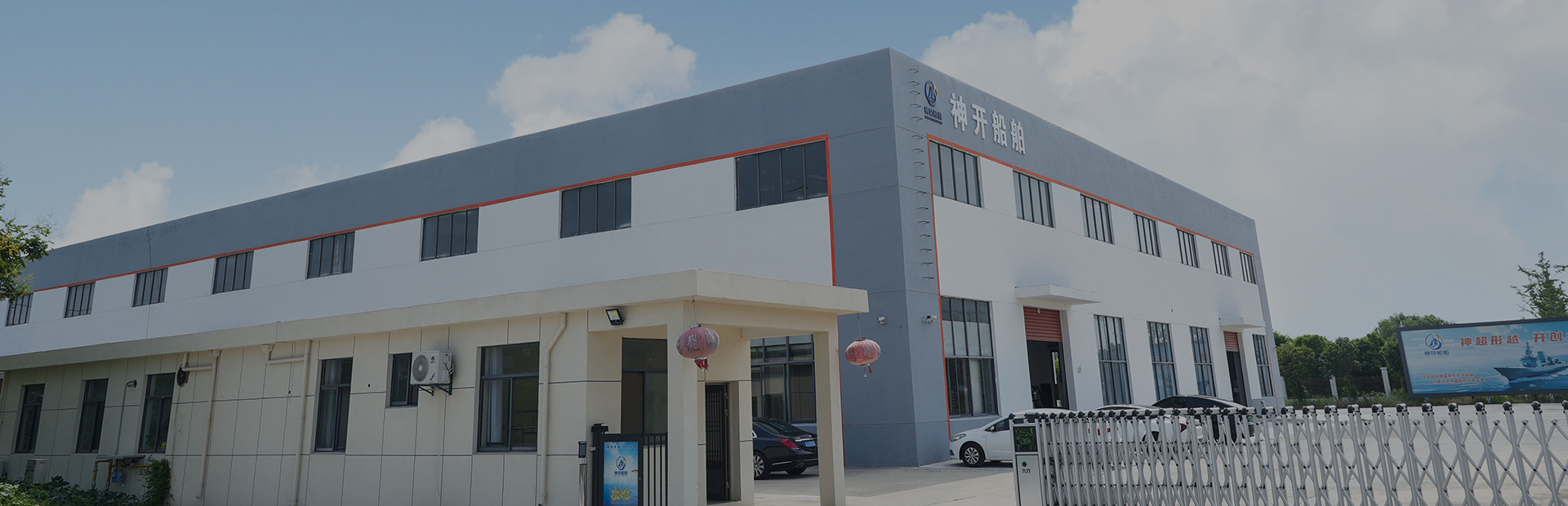
Jiangsu Shenkai Marine Equipment Co.,Ltd. China Unit Sanitari Marin Pembekal dan Unit Sanitari Marin Pengilang, mereka bentuk dan mengeluarkan peralatan marin. Tawaran produk semasanya termasuk penyimpanan sejuk pasang siap marin, sistem saluran pengudaraan marin, penutup marin, panel komposit marin, penyelesaian dalaman marin, pintu kebakaran, sistem unit sanitari, dan produk serta perkhidmatan lain. Ditubuhkan pada 2023, syarikat mengutamakan inovasi teknologi dan penambahbaikan berterusan sebagai strategi asas dan daya saing terasnya. Melalui usaha dan penerokaan yang tidak putus-putus, ia menyediakan produk berkualiti tinggi dan perkhidmatan menyeluruh. Pada masa ini, syarikat mempunyai kapasiti teknikal dan pengeluaran yang mencukupi, menghasilkan dan menservis kira-kira 300 set panel penyimpanan sejuk marin setiap tahun. Ia juga menjalankan pengeluaran dan perkhidmatan sistem saluran pengudaraan dan projek dalaman marin. Prestasi teknikal, ciri struktur, dan kualiti produk kami memenuhi sepenuhnya keperluan dan standard kejuruteraan marin dan luar pesisir. Ia digunakan secara meluas oleh limbungan kapal utama domestik dan setanding dengan produk antarabangsa yang serupa. Kami kini mengeksport produk secara pukal ke negara seperti Jepun, Filipina, Singapura, Korea Selatan, Vietnam, dan India. Syarikat mengutamakan fokus pelanggan dan berusaha untuk melebihi jangkaan pelanggan, menyediakan perkhidmatan sokongan produk marin yang menyeluruh. Kami komited untuk bekerjasama rapat dengan perusahaan domestik dan antarabangsa, berkongsi sumber, dan mencipta kejayaan bersama.

product
Pembekal Unit Sanitari Marin/Kapal
-
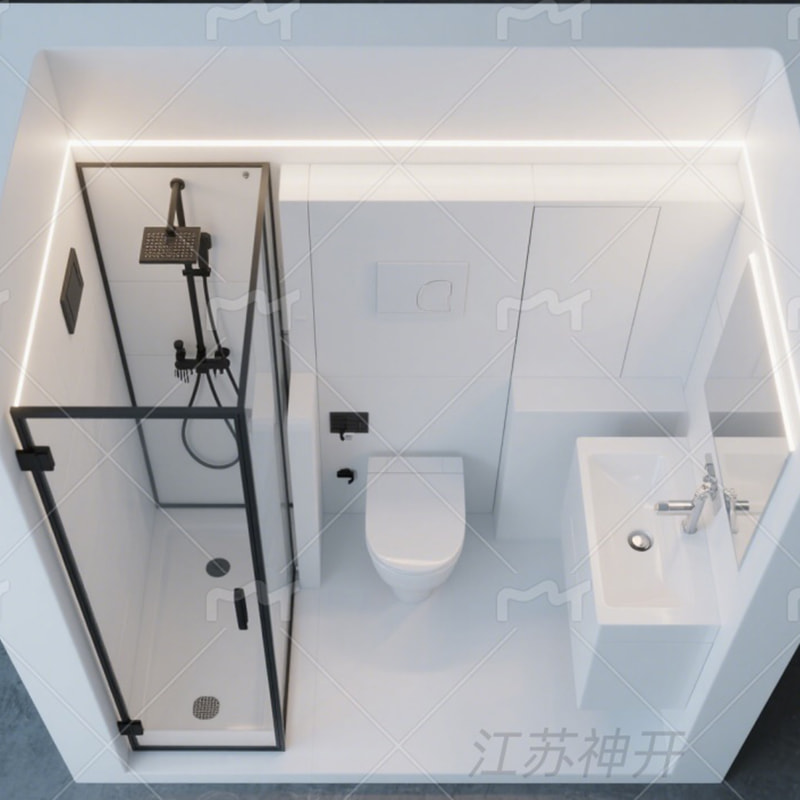
Unit kebersihan jenis pancuran marin
Panel sisi dan siling produk biasanya dibina daripada kep... -
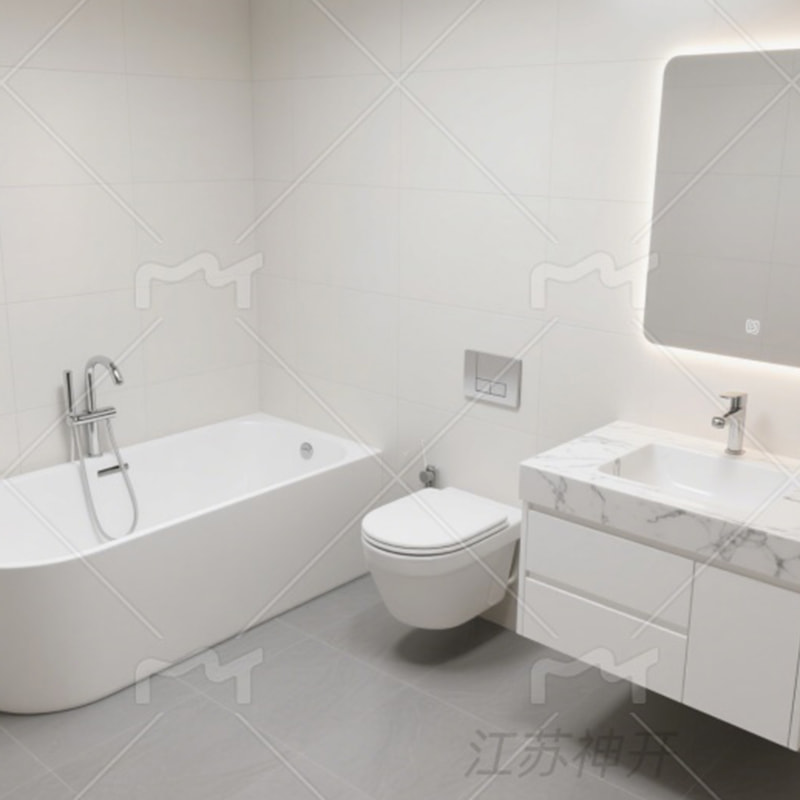
Unit kebersihan jenis mandian marin
Panel sisi dan siling produk biasanya dibina daripada kep...
Unit kebersihan marin ialah kemudahan pembinaan kapal teras yang menyepadukan fungsi kebersihan, keselamatan kebakaran dan reka bentuk modular. Ia digunakan secara meluas dalam pelbagai jenis kapal dan kejuruteraan luar pesisir. Ia digunakan terutamanya dalam kapal penumpang dan pelayaran, kapal kargo dan kejuruteraan, dan kapal khas. Panel-panel ini dibina daripada kepingan logam bergalvani PVC dan bahan SUS304 atau SUS316, dengan ketebalan antara 0.5mm hingga 0.8mm. Warna panel boleh disesuaikan. Teras diisi dengan bulu batu, dengan ketumpatan antara 120kg/m³ hingga 200kg/m³. Pegangan tangan kalis gelombang dalaman, pinggan mangkuk sabun, rak tuala, pemegang cawan dan pemegang sabun semuanya diperbuat daripada SUS304 dan tersedia dalam pelbagai gaya. Komponen dalaman lain juga boleh direka bentuk dan diselaraskan untuk memenuhi keperluan pelanggan. Ketinggian kelegaan biasanya ≥2050mm dan lebar pintu biasanya ≥600mm, memenuhi keperluan pelarian SOLAS. Lekapan kebersihan dalaman, aksesori, perkakasan dan pintu dipasang sepenuhnya. Sambungan paip luaran dan kotak simpang elektrik disediakan. Beg angkat atau kurungan dipasang di bahagian atas, dan skru pelarasan dipasang di bahagian bawah. Keseluruhan unit adalah pasang siap di kilang. Di tapak, ia hanya memerlukan pengangkatan dan sambungan ke sumber air dan kuasa untuk kegunaan segera. Pemasangan cepat dan tahan bocor. Produk ini mencapai penarafan kebakaran B15 dan boleh menahan ujian kebakaran selama 30 minit, dengan kenaikan suhu ≤225°C di bahagian belakang. Dimensi, lebar dan tinggi boleh direka bentuk dan disesuaikan berdasarkan spesifikasi dan lukisan pelanggan. Kami memastikan penghantaran segera dan penyelarasan segera.
Tentang
Jiangsu Shenkai Marine Equipment Co.,Ltd.
Berita
-
Pengenalan kepada Saluran Lingkaran Marin Dalam persekitaran industri marin yang menuntut, sistem pengedaran udara dan ekzos yang boleh dipercayai adalah penting untuk memastikan keselamatan, keselesaan dan kecekapan operasi. Satu komponen utama yang memainkan peranan penting dalam sistem ini ialah salura...
BACA LAGI -
Pengenalan kepada Tali Marin Apakah Tali Marin? Tali laut , sering dirujuk sebagai garisan dalam istilah nautika, adalah komponen asas mana-mana bot atau kapal laut. Ia adalah kataud, kabel atau helai yang direka khas yang dipintal atau dijalin bersama untuk memberikan kekuatan, ketahanan dan fleksibilit...
BACA LAGI -
pengenalan Dalam dunia global hari ini, permintaan untuk penyejukan kapal yang cekap dan boleh dipercayai telah menjadi lebih kritikal berbdaning sebelum ini. Apabila perdagangan antarabangsa terus berkembang, pengangkutan barangan—terutamanya barang mudah rosak seperti makanan, farmaseutikal dan produk sens...
BACA LAGI
Unit Sanitari Marin Pengetahuan industri
Are the marine sanitary units resistant to corrosion and humidity in marine environments?
Understanding Marine Sanitary Units
Marine sanitary units are specially designed modules that provide bathroom and hygiene facilities aboard ships and offshore platforms. They typically include toilets, showers, sinks, ventilation systems, and drainage solutions that are compact and built to withstand the challenging marine environment. Unlike conventional sanitary installations found on land, these units must perform reliably in environments where exposure to salt-laden air, constant humidity, and potential splashing from seawater are common. The durability of materials and components plays a critical role in ensuring that these units remain functional and safe over long operational periods.
The Challenge of Corrosion in Marine Environments
Corrosion is one of the most significant issues in marine environments, caused mainly by the high concentration of salt in seawater and the continuous presence of moisture in the air. For marine sanitary units, which include metallic components such as piping, frames, hinges, and fittings, corrosion can lead to structural degradation, leaks, and compromised hygiene. To counteract this, manufacturers select materials with corrosion-resistant properties and apply protective coatings. Stainless steel, coated aluminum, and advanced composites are commonly used because they offer greater resistance to corrosion compared to untreated metals.
Resistance to Humidity and Moisture
Humidity is a constant factor in marine environments, often reaching near-saturation levels. Marine sanitary units must be designed to function without developing mold, mildew, or moisture-related damage. This requires the use of waterproof materials for flooring, wall panels, and ceilings, along with specialized ventilation systems to regulate airflow. The interior surfaces are often sealed with resins, laminates, or waterproof coatings that prevent moisture penetration. Proper insulation and vapor barriers are also installed to reduce condensation within the structure, ensuring a more comfortable and hygienic space for crew members and passengers.
Material Choices for Marine Sanitary Units
Material selection is a primary determinant of how well marine sanitary units resist corrosion and humidity. Stainless steel of grades such as 316L is favored for its ability to withstand saltwater exposure. Fiberglass-reinforced plastic (FRP) is another material commonly used for panels, as it is non-corrosive, lightweight, and highly durable. Additionally, surfaces are often treated with antimicrobial finishes to minimize bacterial growth in damp conditions. The combination of metals, composites, and protective coatings allows marine sanitary units to operate effectively over long service lives with minimal maintenance needs.
Protective Coatings and Finishes
Protective coatings are a significant factor in enhancing the resistance of marine sanitary units. Epoxy coatings, polyurethane finishes, and powder coatings are applied to metal components to create a barrier against moisture and salt exposure. Non-metallic materials such as FRP panels often receive additional gel coat layers for improved durability and easier cleaning. These coatings not only protect against corrosion but also improve the sanitary conditions by providing smooth, non-porous surfaces that resist dirt accumulation and facilitate regular cleaning routines aboard vessels.
Ventilation Systems and Their Role
Ventilation plays a critical role in maintaining resistance against humidity in marine sanitary units. Without proper air circulation, condensation can form on surfaces, leading to mold growth and premature material degradation. Marine sanitary units are designed with integrated ventilation fans, ducts, and sometimes dehumidifiers to ensure constant air exchange. This system keeps humidity levels within acceptable ranges, prevents dampness, and enhances the comfort of the enclosed space. Proper ventilation design also ensures compliance with marine safety and hygiene standards.
Comparative Durability of Marine and Land-Based Units
When compared to land-based sanitary units, marine sanitary units demonstrate higher resistance to both corrosion and humidity. This difference arises from their use of specialized materials and designs tailored for marine use. While a conventional bathroom on land may employ ceramic tiles, untreated steel, or wood-based materials, these would not last long in a marine environment. The unique design elements of marine sanitary units make them more reliable for long voyages where frequent repair or replacement is not feasible.
Testing and Compliance Standards
Marine sanitary units are subjected to rigorous testing to ensure they can withstand harsh marine environments. Compliance with international maritime standards, such as those established by the International Maritime Organization (IMO) and classification societies like DNV or Lloyd’s Register, ensures that these units meet safety and durability requirements. Testing often includes exposure to salt spray, high humidity conditions, and corrosion simulations. These standards guarantee that the sanitary units deliver consistent performance under real-world maritime conditions.
Maintenance and Longevity
Proper maintenance extends the life of marine sanitary units and helps maintain their resistance to corrosion and humidity. Regular inspections, cleaning routines using non-corrosive agents, and reapplication of protective coatings are part of scheduled upkeep. With adequate maintenance, marine sanitary units can remain in service for many years without significant degradation. Preventive care ensures both safety and hygiene, which are critical in confined spaces such as ships where many people share the same facilities.
Environmental and Cost Considerations
While marine sanitary units are designed for durability, their resistance to corrosion and humidity also impacts operational costs and environmental sustainability. Durable units reduce the frequency of replacements, thereby lowering waste generation. Choosing recyclable materials, applying environmentally safe coatings, and implementing energy-efficient ventilation systems also contribute to making these units more sustainable. Operators benefit from reduced lifecycle costs as a result of fewer breakdowns and lower maintenance requirements.
Table: Comparison of Material Resistance
The following table illustrates how different materials commonly used in marine sanitary units perform in terms of corrosion and humidity resistance.
| Material | Corrosion Resistance | Humidity Resistance | Typical Application |
|---|---|---|---|
| Stainless Steel (316L) | High | High | Sinks, frames, fixtures |
| Fiberglass-Reinforced Plastic (FRP) | Very High | Very High | Wall panels, ceilings |
| Aluminum (Coated) | Moderate to High | High | Doors, panels |
| Ceramic Tiles | Low | Moderate | Not typically used in marine settings |
Role of Modular Construction
Modern marine sanitary units are often designed as prefabricated modular structures. This construction approach allows for better control of materials, quality, and sealing against moisture intrusion. Each unit is manufactured in a controlled environment before being installed aboard a vessel. Modular construction ensures uniformity in quality and makes it easier to integrate advanced anti-corrosion treatments and waterproofing measures during the manufacturing phase. This process reduces the risk of failures and ensures higher reliability once installed on ships.
Case Applications in Different Marine Settings
Marine sanitary units are used across various types of vessels, including cruise ships, cargo vessels, naval ships, and offshore platforms. In each case, the resistance to corrosion and humidity is critical, but the scale and design requirements may differ. Cruise ships prioritize passenger comfort and hygiene, requiring advanced ventilation and luxurious finishes. Cargo vessels may emphasize durability and functionality with minimal decorative features. Offshore platforms often require units that can be easily replaced or upgraded, while still maintaining long-term corrosion and humidity resistance.
Future Developments in Marine Sanitary Units
As technology advances, new materials and coatings are being developed to further improve the resistance of marine sanitary units to corrosion and humidity. Nanotechnology-based coatings, antimicrobial finishes, and lightweight composites are likely to play an increasing role in the future. Additionally, designs are being optimized to improve energy efficiency, water-saving capabilities, and modularity. These innovations will help marine sanitary units continue to meet the evolving requirements of the shipping industry while maintaining resistance to the harsh marine environment.
Key Factors in Resistance
The table below provides an overview of the main factors contributing to resistance against corrosion and humidity in marine sanitary units.
| Factor | Contribution to Resistance |
|---|---|
| Material Selection | Determines baseline durability against corrosion and moisture |
| Protective Coatings | Adds a barrier layer that enhances resistance |
| Ventilation Systems | Prevents condensation and reduces mold growth |
| Modular Construction | Ensures quality control and consistent waterproofing |
| Maintenance Practices | Extends service life and preserves resistance properties |
Hak Cipta © Jiangsu Shenkai Marine Equipment Co.,Ltd. Hak Cipta Terpelihara.
